
Mallalli Falls Rescue: 2 Students Saved After Sudden Dam Surge
Disclosure: some links above are affiliate links — if you buy through them I may earn a small commission at no extra cost to you. Thanks for supporting the channel!
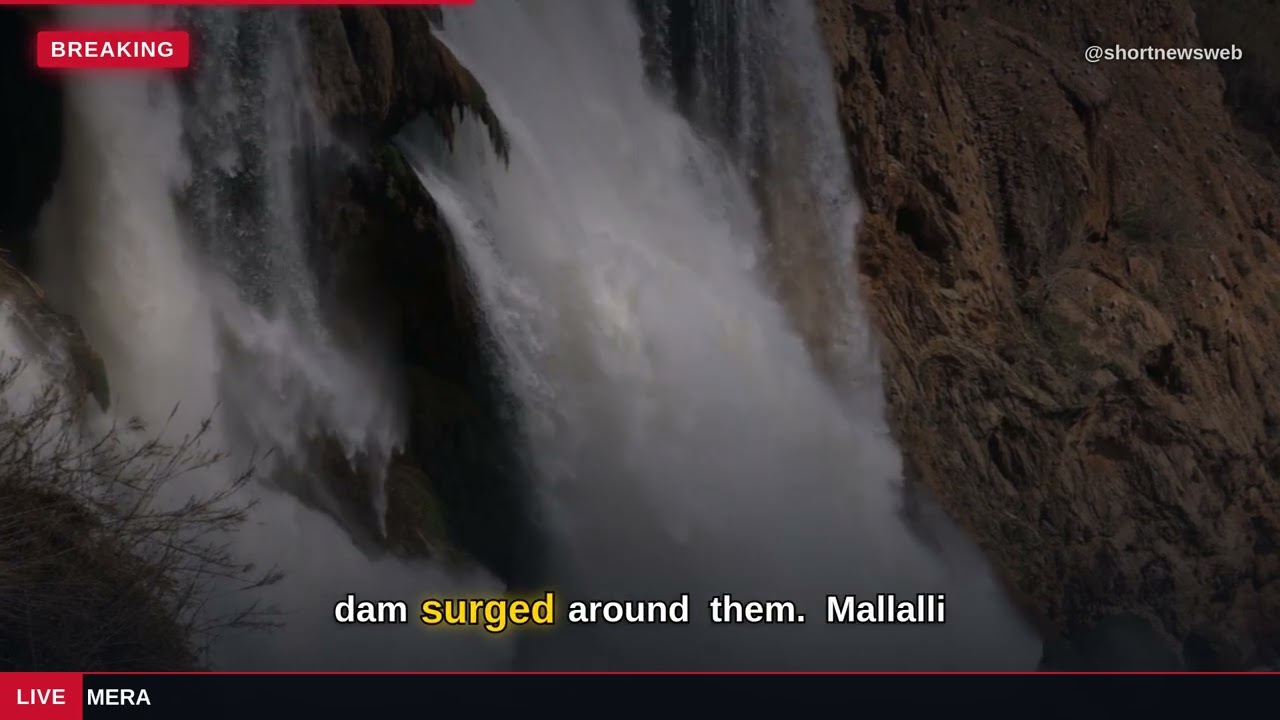
The Mallalli Falls rescue in Karnataka's Kodagu district was a heart-stopping reminder of how quickly a monsoon waterfall can turn deadly: two college students, stranded on a rock in the middle of the roaring cascade, clung on for nearly an hour before Fire & Emergency Services pulled them to safety with ropes. The whole ordeal was caught on camera and went viral. Here is exactly what happened, why these Western Ghats falls are so dangerous in the rains, and the safety lessons every visitor needs to take away.
What happened at the Mallalli Falls rescue
According to reports from the scene, two college students from Andhra Pradesh who are studying in Bengaluru had travelled to Mallalli Falls, one of Kodagu's most photographed monsoon waterfalls. Wanting a dramatic photograph, they crossed the safety barricades and made their way onto the wet rocks near the middle of the stream — exactly where visitors are warned never to go.
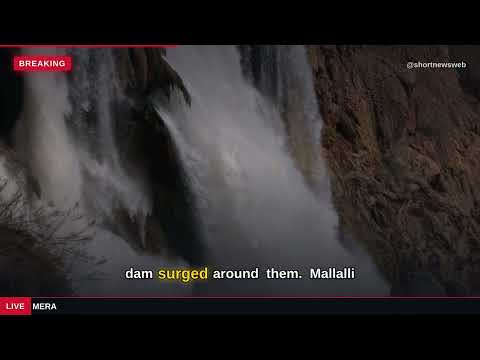
Within minutes their situation turned dangerous. Water was released from an upstream hydroelectric facility, and the flow through the falls surged. The two were suddenly cut off, marooned on a slab of rock with fast, rising water on every side. What began as a selfie stop had become a genuine fight for survival, and onlookers on the safe side of the barricade began filming as they realised the pair could not get back.
Why Mallalli Falls turns deadly in the monsoon
Mallalli Falls sits deep in the Western Ghats, fed by the Kumaradhara river. In the dry months it can look gentle and inviting. During the monsoon, and especially when water is discharged from upstream, the same falls can double or triple in volume within minutes — with almost no warning at ground level.
Crucially, authorities say a warning siren had sounded before the upstream release. The students, focused on the water and their photos, reportedly did not notice it. That single missed cue is what separated a normal day out from a near-tragedy. It is a pattern seen again and again at Indian waterfalls in the rains:
- Sudden surges: upstream dam or reservoir releases raise the water level far faster than people expect.
- Slippery rock: algae and constant spray make the rocks around a waterfall treacherous even when the flow looks calm.
- False confidence: a shallow, photogenic pool can become a powerful current in the time it takes to frame a photo.
The one-hour rope rescue, caught on camera
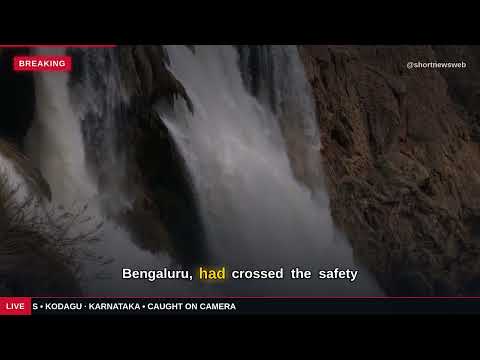
With the pair stranded mid-stream, word reached the local Fire & Emergency Services, who rushed to the spot. Rescuing someone from the middle of a live waterfall is one of the hardest jobs a rescue team can face: the footing is unstable, the noise makes communication almost impossible, and any equipment has to hold against the pull of the current.
Personnel worked their way toward the students using ropes and specialised gear, securing a line they could hold onto and be guided back along. For nearly an hour the two clung to the rock, visible in the viral video as tiny figures against a wall of white water, while the team inched the rescue forward. Finally, one after the other, they were brought back across to solid ground — shaken, soaked, but alive.
The video of those final moments, filmed by bystanders, spread rapidly across social media, turning a local incident into a national talking point about tourist safety.
Mallalli Falls safety: what every visitor must know
The reason this Mallalli Falls rescue ended well is that trained responders reached the students in time. Many similar incidents do not. If you visit any waterfall in the Western Ghats during the monsoon, treat these as non-negotiable rules:
- Never cross the barricades. They mark the line between a viewpoint and a death trap. No photo is worth it.
- Treat a siren as final. If you hear a warning siren near a dam-fed river or falls, get to high, dry ground immediately — do not wait to see the water rise.
- Never wade above or at the lip of a waterfall. The current is strongest exactly where it is about to drop.
- Check for upstream dams. Many Karnataka waterfalls are downstream of hydroelectric releases; water can arrive without visible rain.
- Keep children within arm's reach and avoid slippery rocks entirely after rain.
Frequently asked questions about the Mallalli Falls rescue
Where is Mallalli Falls located?
Mallalli Falls is in the Kodagu (Coorg) district of Karnataka, in the Western Ghats, and is fed by the Kumaradhara river. It is a popular monsoon-season tourist spot.
How were the students rescued?
Personnel from the Fire & Emergency Services carried out a rope rescue, reaching the students stranded mid-stream and guiding them back to safety over roughly an hour.
Why did the water rise so suddenly?
Reports indicate water was released from an upstream hydroelectric facility. A warning siren sounded before the release, but the students did not notice it in time.
Is it safe to visit Mallalli Falls in the monsoon?
It can be enjoyed safely from the designated viewpoints, but visitors must stay behind the barricades and off the rocks. The danger comes from ignoring safety signage during high flow.
Key takeaways
- Two students were rescued from the middle of Mallalli Falls after crossing safety barricades for photos.
- An upstream water release — despite a warning siren — caused the sudden, dangerous surge.
- Fire & Emergency Services conducted a roughly hour-long rope rescue that was caught on camera and went viral.
- The core lesson: never cross barricades, and always heed sirens at dam-fed waterfalls in the monsoon.

Why a mid-waterfall rescue is so hard for responders
To understand how close this Mallalli Falls rescue came to disaster, it helps to know what rescuers are up against. A person stranded in the middle of a waterfall is in one of the most hostile environments an emergency team can work in. The rock is coated in slick algae and constant spray, so every step a rescuer takes risks a fall of their own. The roar of the water is so loud that shouted instructions are useless, forcing teams to rely on hand signals and pre-agreed rope tugs.
Then there is the current itself. Moving water exerts enormous force: even knee-deep flow can sweep an adult off their feet, and the pull only grows as the water nears the edge of a drop. Rescuers must anchor their ropes to something genuinely solid, cross to the stranded person without being pulled in themselves, secure a harness or line, and then guide the person back against that same current — often while the flow is still rising. It is slow, deliberate, dangerous work, which is why the Mallalli operation took close to an hour rather than a few minutes.
What to do if you are ever trapped at a waterfall
Prevention is always better, but if you or someone with you is caught out by rising water, these steps can save a life:
- Stay put on the highest, most stable rock you can reach. Do not try to swim or wade across a strong current — that is when most drownings happen.
- Call for help immediately and give your exact location. In India, dial 112 (the national emergency number) or 101 for fire and rescue.
- Make yourself visible. Wave bright clothing so onlookers and rescue teams can pinpoint you.
- Keep low and hold on. Sit or crouch to lower your centre of gravity and grip the rock; standing makes you easier to knock over.
- Conserve energy. Rescues take time. Panicking and thrashing burns strength you may need.
Before you go: a monsoon waterfall safety checklist
Karnataka's waterfalls are breathtaking in the rains, and you can enjoy them safely with a little planning. Run through this checklist before any monsoon trip:
- Check the weather and any dam-release advisories for the river feeding the falls.
- Go early in the day and leave well before dark, when footing and visibility worsen.
- Wear proper footwear with grip — not flip-flops — and avoid loose, easily-snagged clothing.
- Stay strictly within the marked viewing zones. Every barricade exists because someone was hurt beyond it.
- Never mix alcohol with waterfalls, and never turn your back to the water for a photo.
- Watch and listen for sirens and rangers' whistles — they are warning you for a reason.
Following even a few of these turns a risky selfie spot back into what it should be: a beautiful, memorable day out.
Watch and subscribe
We break down real caught-on-camera incidents like this — what happened, and how to stay safe — on YouTube. If this was useful, please subscribe on both our channels (one tap):
- 👉 shortnewsweb: Subscribe here
- 👉 Live Stream: Subscribe here
Stay safe, and share this with anyone planning a monsoon waterfall trip.